

Flooding in Accra: The Hidden Risk Every Property Buyer and Investor Must Understand
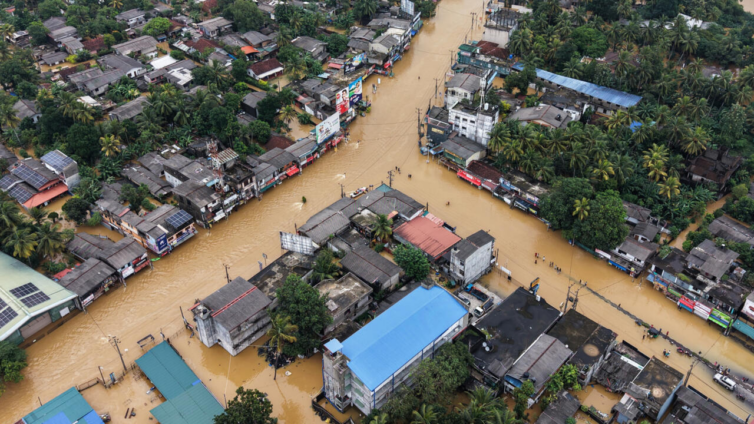
Urban flooding is, at its core, a land-use problem. Water follows geography. Rivers need corridors, wetlands need protection, drainage channels need space, and stormwater needs somewhere to go. When these spaces are filled, sold, paved, or developed, the consequences eventually appear in flooded buildings, damaged infrastructure, disrupted businesses, reduced property values, and rising maintenance costs.
In Accra, heavy rainfall events have repeatedly exposed the vulnerability of many residential, commercial, and industrial areas. What may seem like an attractive property during the dry season can become a costly liability during the rains. As a result, flood risk assessment should now be considered an essential part of every property transaction.
Why Flood Risk Matters
Flooding affects much more than physical structures. It influences accessibility, public safety, business operations, insurance costs, tenant retention, and long-term investment performance. Two properties may appear similar in size, design, and location, yet their market value can differ significantly if one remains dry and accessible during heavy rains while the other experiences recurring floods.
For investors, flood-prone properties can lead to higher repair costs, reduced occupancy rates, increased maintenance expenditure, and lower resale demand. For occupiers, the consequences may include property damage, health risks, transportation disruptions, and loss of productivity.
Conducting Flood Due Diligence
Before buying, renting, financing, or developing a property, prospective occupiers and investors should investigate how the site performs during periods of heavy rainfall. Important questions include: Is the property located in a low-lying area, valley, wetland, reclaimed land, or near a river, stream, lagoon, or major drainage channel?
Does the site remain accessible after heavy rainfall?
Have neighbouring properties experienced flooding in recent years?
Are drainage systems adequate and properly maintained?
Is there evidence of past water intrusion, repairs, or structural deterioration linked to flooding?
Property seekers should also speak with nearby residents, security personnel, shop owners, and facility managers. Local knowledge often reveals flooding patterns that are not obvious during a routine property inspection.
Commercial Property Risks
Flooding affects far more than buildings. For commercial occupiers, it can interrupt customer access, delay deliveries, disrupt employee movement, damage inventory, affect parking facilities, and interfere with electricity and other critical services. Retail centres, offices, restaurants, hotels, workshops, and logistics facilities may suffer repeated operational disruptions whenever intense rainfall overwhelms drainage systems.
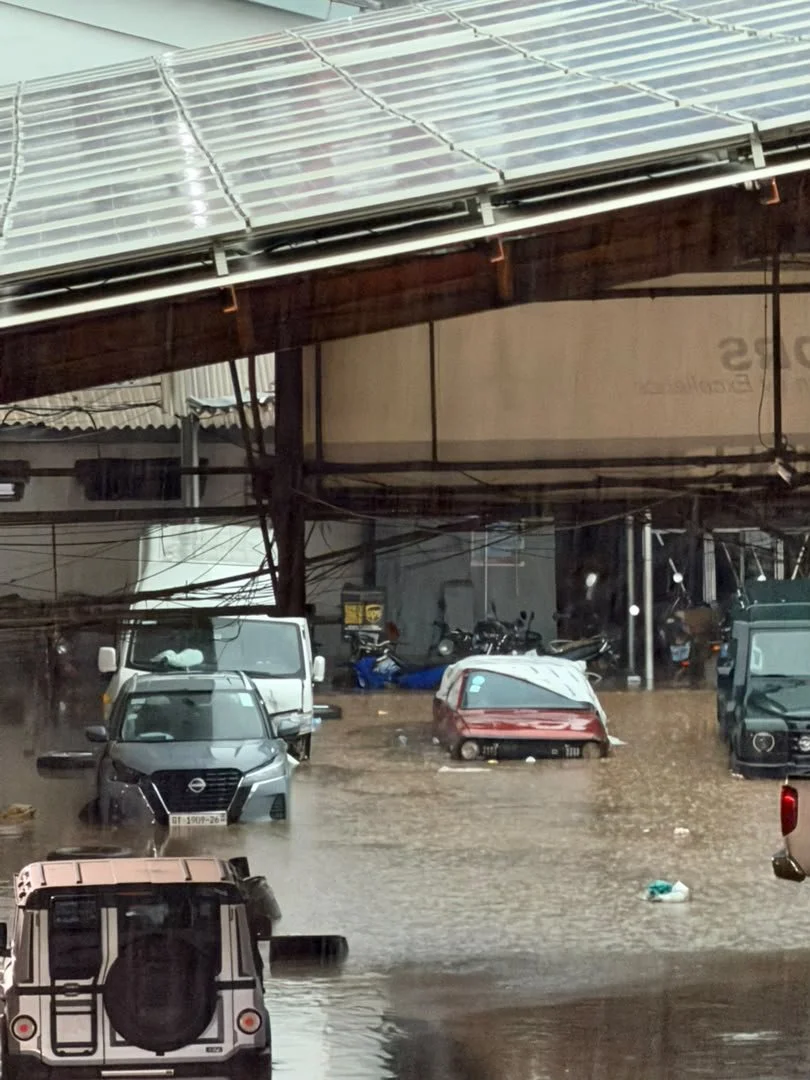
A flood-affected workshop such as the one shown above demonstrates how a single storm event can interrupt production, damage equipment, and increase business costs.
Residential Property Risks
For residential properties, flooding can reduce comfort, safety, sanitation, and quality of life. Families may struggle with inaccessible roads, damaged household belongings, and health concerns associated with stagnant water. Over time, tenants may become unwilling to renew leases, while potential buyers may avoid neighbourhoods with a known history of flooding.
The image above illustrates how flooding can damage buildings, and household belongings, and create expensive restoration and repair costs.
Reducing Flood Exposure
While flood risk cannot always be eliminated, it can often be reduced. Property owners and developers should consider:
Maintaining and regularly clearing drainage systems.
Preserving natural watercourses and drainage corridors.
Avoiding construction within wetlands and floodplains.
Raising floor levels in vulnerable locations.
Installing adequate stormwater management systems.
Conducting environmental and engineering assessments before development.
Preventive measures are often far less expensive than repeated repairs, business interruptions, or long-term value depreciation.
Conclusion
Accra's real estate market is evolving, and flood risk can no longer be treated as a secondary consideration. Buyers, tenants, developers, lenders, and investors must look beyond a property's appearance, location, and purchase price and evaluate how it performs during heavy rainfall. Effective flood due diligence not only protects lives and assets but also supports better investment decisions, stronger property values, and more sustainable urban development.